New donors · up to $800 your first month*

Your plasma can save a life.
Your time should be paid for.

Some appointments are about taking care of ourselves. A plasma donation lets you help take care of someone else — and BioLife compensates you for every visit. Here's the honest, full picture, from someone who has made it a habit.

Disclosure: This is a referral and I may receive a referral benefit if you qualify and complete BioLife's requirements.

238+
Donation centers across the U.S.
$800
New donor bonus potential*
80+
Years of plasma expertise

A warm, smiling woman with shoulder-length brown hair wearing a cream-colored knit sweater, photographed in a softly lit indoor setting
238+
Centers nationwide
Hundreds of thousands
Donors served monthly
FDA
Regulated · Sterile · Safe
100%
Compensation on a reloadable debit card

Why I donate plasma—and why I hope you will consider it, too.

My mom has Parkinson's, my brother had Muscular Dystrophy and my son has Multiple Sclerosis. Our family understands the hardships of navigating life around medical issues and trying to find any possible solution to help each person. Donating plasma is one that helps many people across the globe.
~ ❤️‍🩹 Tammy Searle

A mother tenderly hugging her young son, who holds a teddy bear

Sometimes I feel helpless on how to assist them in their health journey. Plasma is the one thing I can do to help out . It does not fix what my family is going through — nothing does, overnight — but it does help to create the medicines that other families rely on. Behind the medical terminology are real people: kids, parents, grandparents, hoping for better days.

If you have wondered whether plasma donation really matters, what actually happens at an appointment, how to prepare, or how the compensation works — this is a practical place to start. I'll walk you through the why, the who, the what, and the how. And at the end, if you're eligible, I'll point you to a referral link I'd be honored for you to use.

A lot of the public conversation around plasma gets either sentimental or clinical. The truth is in the middle: it's a routine medical procedure with a real impact, and BioLife treats it that way — with trained staff, regulated equipment, and compensation for your time.

What is plasma, and why is it needed?

Plasma is the pale, golden liquid that makes up about 55% of your blood. It carries the proteins that help your body fight infection, control bleeding, and perform dozens of other essential jobs. It's often called "liquid gold" — and for good reason.

Plasma cannot be made synthetically. Donated plasma is processed into therapies that replace missing proteins in people with certain rare and chronic conditions. At BioLife, donations are collected for manufacturing these plasma-derived therapies — not transfused directly into a patient.

That connection is what makes the appointment meaningful. You may never meet the person whose treatment depends on your plasma — but their need is real, and your donation is part of meeting it.

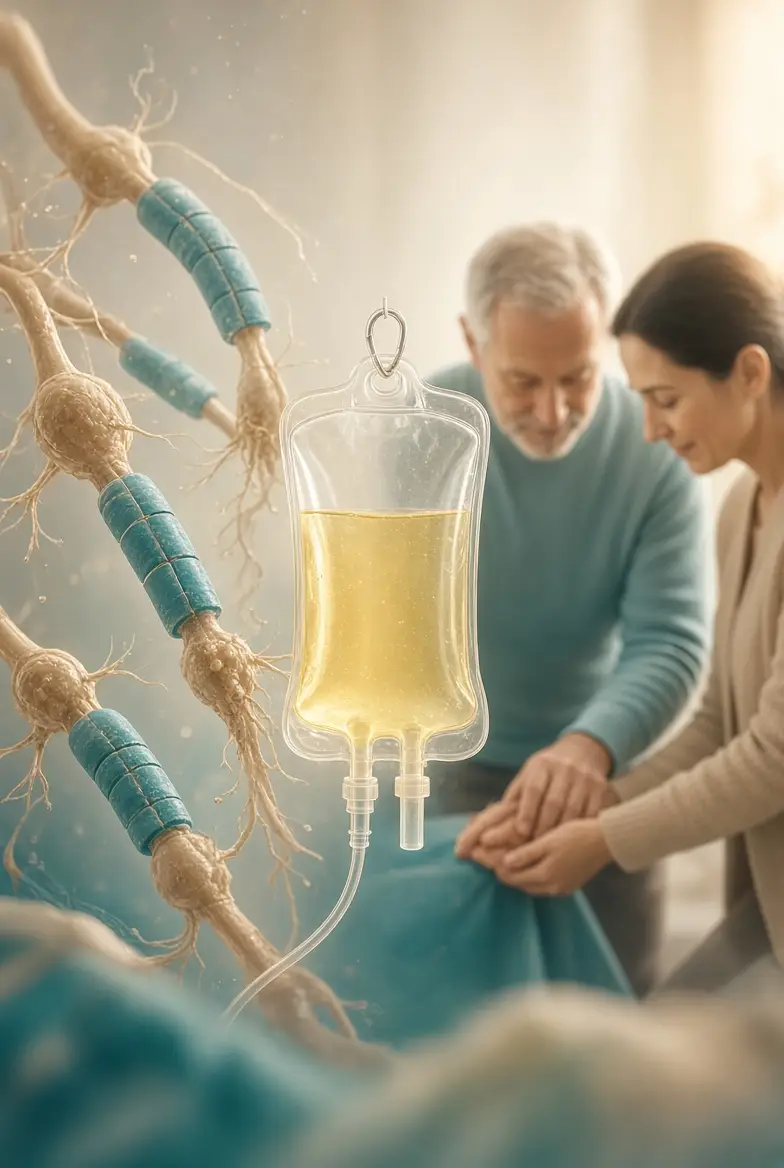
Close-up of golden plasma in a collection bag
~55%

of your blood is plasma — and your body replenishes it within days.

See how plasma is actually collected

A short walkthrough of the donation process — what to expect from check-in through recovery — so your first visit feels familiar before you arrive.

2 min · from BioLife
Explains the plasmapheresis process
Real first-time donor experience
What your plasma is used for

Who can plasma donations help?

Plasma-derived medicines support people living with several serious conditions. These are some of the people whose treatments depend on the kind of donation you can give today.

Primary immunodeficiencies

Some people can't produce enough effective antibodies. Plasma-derived immunoglobulin provides critical protection against infections.

Bleeding disorders

Plasma-derived clotting-factor treatments help people with conditions like hemophilia or von Willebrand disease manage dangerous bleeds.

CIDP

Chronic inflammatory demyelinating polyneuropathy is an immune-related nerve disorder. Immunoglobulin is among its established treatments.

Alpha-1 antitrypsin deficiency

An inherited condition. Plasma-derived replacement protein helps protect the lungs of certain patients with this genetic disorder.

Hereditary angioedema

A condition that causes potentially dangerous swelling. Some plasma-derived therapies help manage and prevent these episodes.

MS & Parkinson's research

Therapeutic plasma exchange helps some patients with severe MS relapses. Plasma proteins are being studied in Parkinson's research.

The exact treatment depends on the person's diagnosis and medical needs. Plasma is not a cure for every disease — but it is an essential starting material for important medicines.

What about MS and Parkinson's?

These two conditions come up a lot in conversations about plasma. We want to be honest about what the evidence actually supports. Generosity matters — and so does accuracy.

Photo placeholder — replace with your own image
MS

Multiple sclerosis

For some people with MS, therapeutic plasma exchange can treat severe relapses — particularly when steroids haven't helped enough. This procedure removes a patient's plasma and replaces it with another fluid; donated-plasma-derived albumin may be used as replacement fluid. This is different from routinely treating MS with donated plasma.

NINDS source
PD

Parkinson's disease

Researchers have studied plasma and plasma proteins in Parkinson's disease. However, those applications remain investigational. Plasma-based treatment is not established care for Parkinson's, and a BioLife donation is not a designated donation to Parkinson's research. There are already strong, established reasons to donate.

Michael J. Fox Foundation

What happens at a BioLife appointment.

BioLife says a first visit generally takes about two hours, while repeat visits usually take around one hour. Plan extra time when you're new. The steps are simple — and the staff do this work every day.

01

Registration & health screening

Staff review your health information, check eligibility, and perform the required assessments. First-time donors also receive a physical exam. Answer every question honestly — medications, recent changes, all of it.

02

The donation

A machine separates plasma from your blood and returns the other blood components to you. Staff monitor the process. Bring something quiet to enjoy — an audiobook, music, a podcast — and ask questions whenever you need reassurance.

03

Compensation & aftercare

BioLife compensates eligible donors for their time on a reloadable prepaid Mastercard. Rehydrate, eat a snack, and follow staff guidance about activity afterward. Most donors walk out feeling fine.

How donors are paid — and why BioLife Debit Card is more useful than you'd think.

Compensation is BioLife's way of saying thank you for your time. New donors can earn up to $800 across their first month of visits, and every dollar lands on a reloadable prepaid Mastercard that you actually get to use like a regular debit card.

New donor offer
Up to $800*

Across your first several visits, as part of BioLife's promotional new-donor compensation.

  • Promotional amounts vary by center
  • Qualification depends on successful donation completion
  • Compensation is for your time, not the plasma itself

*Based on center location. Terms and conditions apply. Confirm current offers directly with your local BioLife center before relying on them.

BioLife Debit
Plasma Card
•••• •••• •••• 4242
Cardholder Name Valid Thru 12/29
Reloadable

Funds added after every successful donation. Use it like a regular debit card.

From your first donation to your first purchase.

BioLife loads your compensation onto a prepaid Mastercard after each successful donation. Three quick steps and you're spending it anywhere Debit Mastercard is accepted.

1

Activate your card

Once you receive your card, activate it and create a unique PIN — either online at login.mypaymentvault.com/activate or by calling 888-472-0099. Sign the back when you're done.

2

Register online

Register at login.mypaymentvault.com/biolife to check your balance, manage purchases, and move money to your own bank account from the cardholder dashboard.

3

Spend it like a regular debit card

Use it as credit with a signature, or as debit with your PIN. Withdraw cash at any Moneypoint ATM, or pull cash from a teller at any Mastercard member bank. No credit check, no approval process.

No credit check

Approval isn't part of the process. The card is funded entirely by your compensation.

Safe purchases

Use it anywhere Debit Mastercard is accepted — online, in stores, at restaurants, anywhere.

Easy ATM withdrawal

Withdraw cash at any Moneypoint ATM with no fees, or at any Mastercard member bank teller.

Transfer to your bank

Move funds securely to your own checking account from the cardholder dashboard, anytime.

Buddy Bonus

Refer a friend.
It is better to do good together.

When you refer a friend or family member to BioLife, you can possibly earn extra through the Buddy Bonus. Bonuses are deposited onto your BioLife Debit Card after your referral completes their qualifying donations. The more people you bring in, the more it adds up.

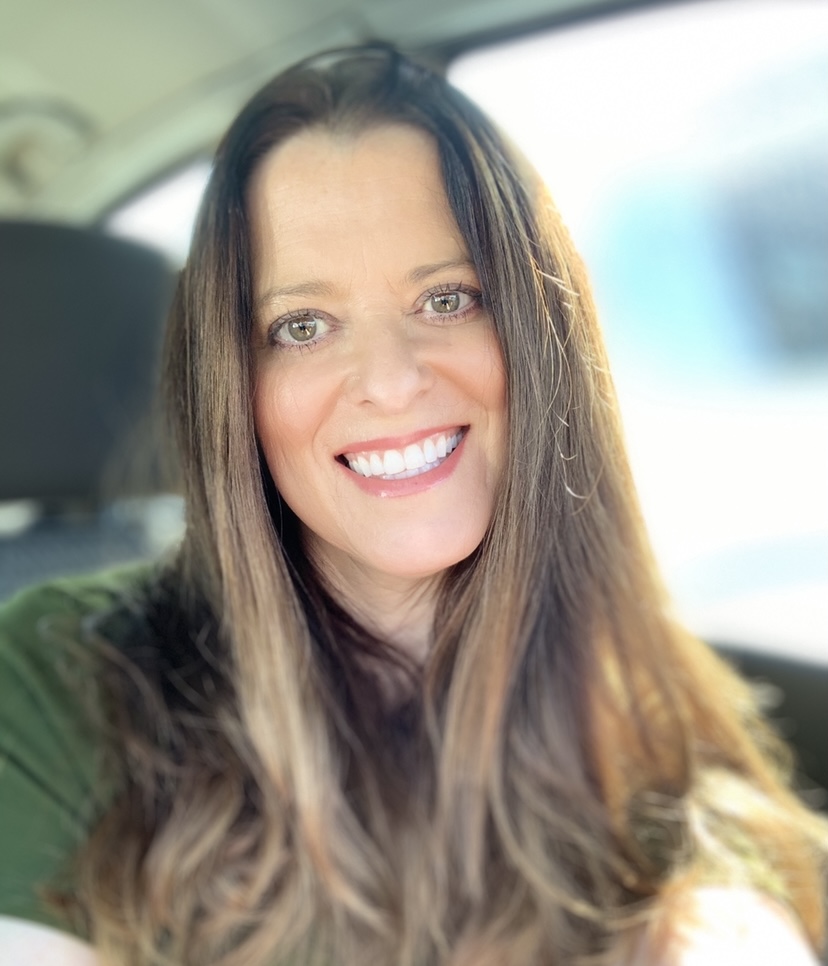
Tammy smiling from the driver's seat, a warm and genuine portrait
$50

Buddy Bonus per qualified referral*

2x

Both you and your friend get the bonus

No cap

Keep referring as long as the program runs at your center

Fast Deposits

Bonus lands on your BioLife Debit Card within minutes after donation completes.

*Bonuses and promotional terms vary by center and can change. Confirm current details directly with BioLife.

You might be eligible right now.

People of all blood types can donate plasma. The basics are straightforward. You'll go through a physical and medical screening to confirm — and the BioLife team will be honest with you about fit.

In overall good health

Feeling well on the day of your visit. Staff will confirm during screening.

18 years old or older

Bring valid government-issued photo ID to your first appointment.

Weigh at least 110 pounds

A simple weight check is part of the screening process.

These basics don't establish eligibility — the screening team makes that determination. The full process is more thorough than a quick checklist.

A smiling donor at a BioLife center
2 hrs

First visit average. Repeat visits are usually about 1 hour.

A little preparation goes a long way.

Before and after your donation, these seven small habits make the experience smoother — and help you feel your best.

01

Hydrate ahead of time

Drink fluids the night before and on donation day. Follow clinician's advice if you have fluid restrictions.

02

Eat before your appointment

BioLife recommends a healthy meal within three hours of donating. Avoid a heavy, fatty meal beforehand.

03

Support your nutrition

Include protein-rich foods and dietary sources of iron in the days leading up to your donation.

04

Get adequate sleep

Arriving rested genuinely helps the experience. A good night's sleep is real preparation.

05

Avoid alcohol

BioLife advises avoiding it the night before, on donation day, and for at least four hours afterward.

06

Bring the required documents

Confirm your center's requirements for ID, proof of address, and Social Security documentation before leaving home.

07

Follow aftercare

Rehydrate, eat, care for the donation site, and follow staff guidance. Skip donation when you're sick.

Your health first.

Never stop a prescribed medication to qualify. The screening team is there to keep you safe — not to push you through.

Find a center near you →

Honest answers to the questions people actually ask.

If your question isn't here, the BioLife team at your nearest center can answer anything specific to your situation.

Get started — it's free to check